- The Structure of US Higher Education: Why It Matters
The US university system offers a clear, progressive hierarchy of degrees that build upon one another, providing flexibility for students at different life stages and career goals. Unlike some educational systems that emphasize early specialization, the US approach often starts with broad foundational learning before narrowing into expertise.
This structure includes four main levels: associate, bachelor’s, master’s, and doctoral degrees, each representing increasing depth, specialization, and commitment. Understanding these levels is essential for anyone planning to study in the US, transfer credits internationally, pursue advanced careers, or evaluate foreign qualifications for US opportunities.
At PCE Legacy Consulting, we help clients—whether in Cameroon, the diaspora, or beyond—navigate this system with practical guidance, from choosing the right path to credential evaluation and application support, ensuring your educational journey contributes to long-term success and legacy.
Navigating the US degree system can feel complex, especially for international students or those transitioning from different educational models. Factors like credit transfers, degree equivalency evaluations, program costs, online vs. on-campus options, and alignment with career goals all play a role. PCE Legacy Consulting provides personalized support to clarify these elements
US Degrees System
Founded by Peter, Celestin, and Elvis—entrepreneurs of Cameroonian origin who have thrived in the United States—PCE Legacy Consulting draws on real-world experience in education pathways, career development, and cross-border opportunities. Having navigated US higher education, immigration processes, and professional growth ourselves, we offer culturally sensitive, practical advice tailored to African and diaspora contexts
Associate Degrees – The Entry-Level Foundation An associate degree serves as an accessible entry point into higher education, typically completed in two years of full-time study. These programs are most commonly offered at community colleges, technical schools, or career colleges, though some four-year universities provide them as well. Associate degrees focus on practical skills, general education, and introductory coursework in a chosen field, making them ideal for students seeking quick workforce entry, cost-effective education, or a stepping stone to a bachelor's program.
Bachelor's Degrees – The Core Undergraduate Credential A bachelor's degree, also known as a baccalaureate degree, is the most common undergraduate qualification in the US and typically requires four years of full-time study (or about 120 credit hours). Offered primarily at four-year colleges and universities, it combines general education requirements in the first two years with in-depth major-specific courses in the latter half. The two most prevalent types are the Bachelor of Arts (BA), which emphasizes liberal arts, humanities, and social sciences, and the Bachelor of Science (BS), which focuses on technical, scientific, or analytical fields. Other variants include the Bachelor of Fine Arts (BFA) for creative disciplines or Bachelor of Architecture (BArch) for design professionals.
Master's Degrees – Advanced Specialization and Career Advancement A master's degree is a graduate-level qualification pursued after completing a bachelor's degree, usually taking one to two years (or 30–60 credit hours) of focused study. These programs emphasize advanced coursework, research, practical projects, or professional training in a specific field, allowing students to deepen expertise and enhance career prospects. Common types include the Master of Arts (MA) for humanities and social sciences, Master of Science (MS) for technical or scientific areas, Master of Business Administration (MBA) for leadership and management, and specialized professional master's like Master of Education (MEd) or Master of Public Health (MPH).
Doctoral and Professional Degrees – The Highest Level of Expertise Doctoral degrees represent the pinnacle of academic achievement in the US system, focusing on original research, scholarship, or advanced professional practice. The most common is the Doctor of Philosophy (PhD), which typically requires four to seven years beyond a bachelor's (or three to five years after a master's) and culminates in a dissertation that contributes new knowledge to the field. PhDs are pursued in academic, research, or highly specialized roles, such as university professor, senior scientist, or policy expert. Professional doctorates, like the Doctor of Medicine (MD), Doctor of Juridical Science (JD for law), or Doctor of Education (EdD)


Why Understanding US Degrees Is Key to Your Success
Navigating the US degree system can feel complex, especially for international students or those transitioning from different educational models. Factors like credit transfers, degree equivalency evaluations, program costs, online vs. on-campus options, and alignment with career goals all play a role.

The US degree system plays a pivotal role in immigration processes, offering distinct advantages for those seeking to study, work, or settle in the country. International students on F-1 visas benefit from Optional Practical Training (OPT), which allows up to
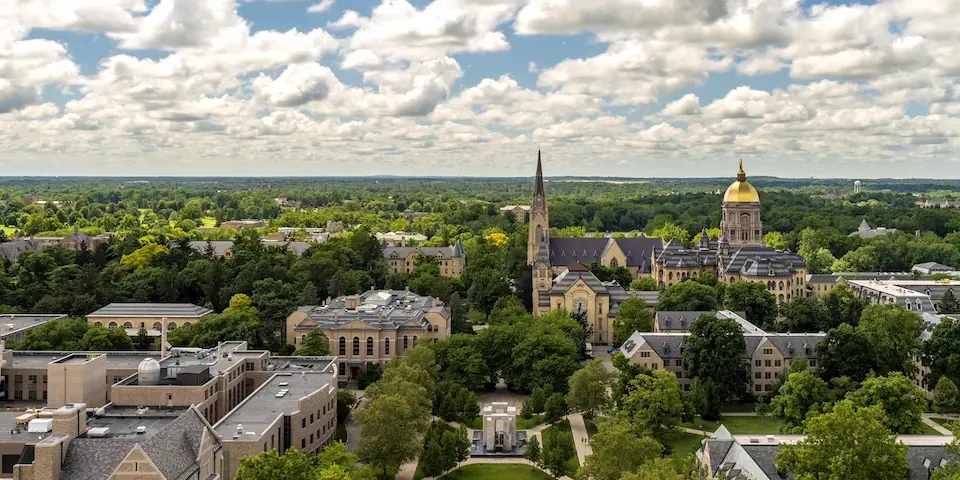
Credential evaluation is a critical step for anyone with foreign education seeking opportunities in the US, and understanding the US degree hierarchy makes this process far more effective.
- Our expertise
Ensuring Credential Recognition and Equivalency Worldwide Credential evaluation is a critical step for anyone with foreign education seeking opportunities in the US, and understanding the US degree hierarchy makes this process far more effective. Services from organizations like WES, ECE, or NACES compare international qualifications to US equivalents
In an interconnected world, US degrees stand out for their emphasis on practical skills, research, innovation, and interdisciplinary learning—qualities highly sought by employers and institutions globally. Unlike some systems that prioritize rote learning or early specialization, the US model encourages creativity, critical inquiry, and adaptability, preparing graduates to thrive in diverse, dynamic environments.
Understanding US degrees is more than knowledge—it's a strategic advantage that shapes careers, opens immigration doors, ensures fair recognition, and builds enduring legacy. Contact PCE Legacy Consulting today for a free discovery consultation. Let us help you evaluate your current qualifications, choose the right US degree path, and achieve your full potential.